

Search isn’t what it used to be. People bounce between TikTok, Reddit, YouTube, podcasts, and AI tools often before ever touching a search bar.
These journeys are messy and unpredictable. That’s why SEO today is more than ranking on Google. It’s about optimising for every platform where discovery happens.
This is where Brand-Led SEO comes in: a strategy focused on building a strong, recognisable entity that ranks, gets cited in LLMs, and shows up everywhere users look. When your brand is strong, you stop competing only in search results — you become the default answer.
Table of Content
- Too Long; Didn’t Read
- So, Why Brand-Led SEO Matters
- What Is Brand-Led SEO?
- Entities: The Foundation of Brand-Led SEO
- Driving Entity Strength with PR & Mentions
- Preparing for LLM Discovery
- Measuring the Impact of Brand-Led SEO
- How to Implement Brand-Led SEO
- Closing Thoughts
Too Long; Didn’t Read
Brand-Led SEO goes beyond chasing Google rankings. it focuses on building a brand people actively search for and trust. Strengthen your entity signals, earn meaningful mentions, and create content that makes you the go-to name in your space. When you measure market presence instead of just clicks, you stop chasing algorithms and start becoming the default choice wherever discovery happens.
So,Why Brand-Led SEO Matters
1. The Rise of Zero-Click Search
More than half of Google searches now end without a click. SparkToro’s 2024 study found that 58.5% of U.S. searches and 59.7% of EU searches resulted in zero clicks. Users got their answers from snippets, Knowledge Panels, and AI summaries without visiting a site.

This shifts the goal: visibility matters as much as traffic. If your brand is the one being shown or cited, you still capture attention and shape perception.
Brand-led SEO helps you win these moments. Strong entity signals, PR mentions, and authoritative content make it more likely that Google or an AI tool chooses your brand as the answer.
2. Search Behaviour Has Changed
The search journey is no longer linear. People first hear about brands on TikTok, watch reviews on YouTube, check Reddit threads, or ask ChatGPT for recommendations. By the time they land on Google, they already know what they want and increasingly, who they want.
Google is often the last stop, not the first. If your SEO strategy focuses only on rankings, you miss those earlier touchpoints where awareness and trust are built.
According to an Ahrefs study, 45.7% of all U.S. Google searches are branded, meaning they include a brand or product name.
That usage of branded searches shows people aren’t just looking for generic solutions anymore; they’re seeking out known brands. And when your brand is already in mind, your SEO work benefits from existing awareness, trust, and associations.
3. Algorithms Reward Strong Brands
Google’s updates increasingly reward clear authority and trust signals. Sites that survived the Helpful Content Update were often well-known brands, even when their content wasn’t perfect.
Put simply: a known brand with average content will often outrank an unknown site with excellent content.
As Mark Williams-Cook explains in his SearchNorwich presentation, Google assigns sites a “site quality” score. This looks at branded keywords, brand mentions with clicks, and overall site engagement. Proactively building brand awareness improves these signals, creating a feedback loop: higher rankings = more visibility = more branded searches = even stronger rankings.
Press coverage, podcast appearances, and partnerships all feed this loop and make your site more resilient to future updates.
After all, strong brands aren’t just trusted, they’re remembered. When your brand identity and SEO work together, you turn rankings into real loyalty.
This emotional connection is what makes people search for you by name. And that’s the foundation of Brand-Led SEO.
What Is Brand-Led SEO?
Brand-led SEO shifts the focus from chasing rankings to building a presence strong enough to win anywhere discovery happens.
Instead of only optimising for keywords, you build a brand that:
- Earns trust and authority (E-E-A-T)
- Gets mentioned and linked across the web
- Appears in Google’s Knowledge Graph
- Becomes the obvious choice in AI answers and multimodal discovery
This isn’t just another tactic; it’s a mindset shift. You stop chasing algorithms and start building equity that works across every channel.
Entities: The Foundation
At the heart of brand-led SEO is the concept of entities, things, not strings, as Google famously put it when introducing the Knowledge Graph back in 2012.
If Google clearly understands who you are and what you do, you’re more likely to rank for relevant queries, appear in Knowledge Panels, and be cited in AI answers.
Building a strong entity means being consistent and unambiguous everywhere:
- Use structured data (schema) to describe your business and people
- Keep your About page clear and detailed
- Align information across Wikidata, Crunchbase, social profiles, and directories
- Use a consistent name, logo, and messaging
The clearer your entity, the easier it is for Google and LLMs to trust you, not just in search results, but in AI summaries and voice results too.
Driving Entity Strength with PR & Mentions
Strong entities aren’t built by on-page SEO alone. They’re shaped by how often and how credibly your brand is mentioned across the web.
Digital PR and high-quality mentions act as votes of confidence. Even unlinked mentions help Google and AI tools connect the dots.
You don’t need a huge budget to start:
- Use tools like HARO or Featured.com to land expert quotes
- Prioritise quality over quantity. One feature in a respected publication beats dozens of low-value links
- Ensure coverage includes context: your brand name, what you do, and why you’re relevant
Done well, PR campaigns also lead to more branded searches, a clear sign of growing trust and demand.
Preparing for LLM Discovery
Despite all the hype from AI bros on LinkedIn, good SEO is good GEO (or AEO/LLMO—whatever you want to call it).
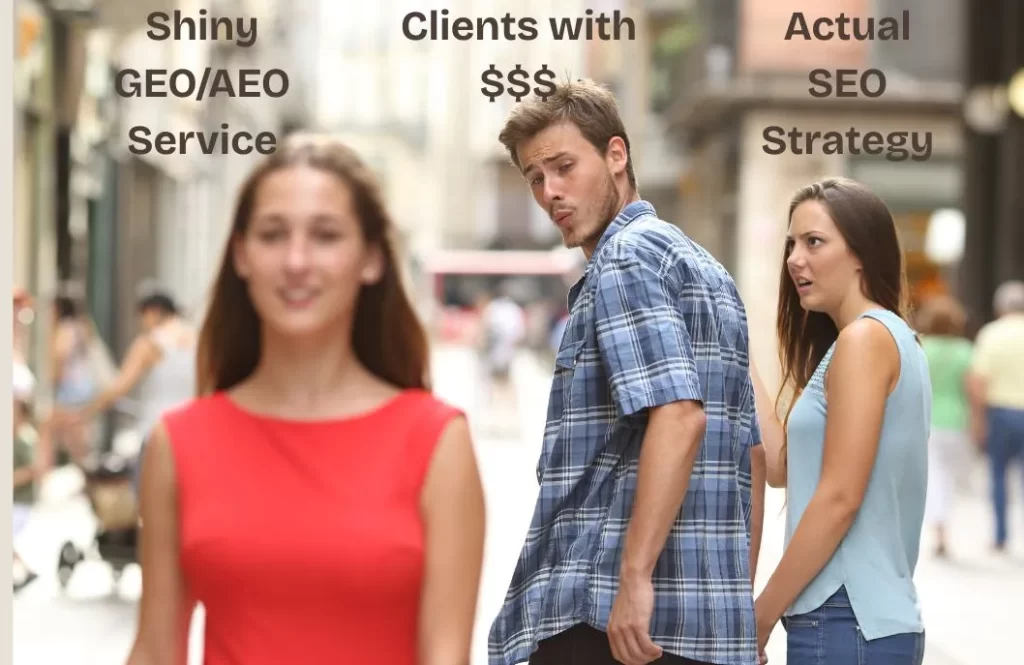
The more visible and well-defined your brand is across the web (mentions, links, structured data, consistent entity signals), the more likely it becomes part of an AI model’s training data and retrieval pipeline.
How to increase your chances:
- Grow topical authority: Publish deep, comprehensive content that “owns” your niche
- Earn citations: PR campaigns, thought leadership, and expert commentary get you referenced in trusted sources
- Keep data clean: Align schema, About pages, Wikidata (if you have one), and profiles so AI can confidently identify your brand
The payoff: appearing in ChatGPT answers, Perplexity citations, and Google AI Overviews, often before the click.
Measuring the Impact
We can’t keep chasing the same KPIs we did in 2015. The way people discover brands has completely changed.
Brand marketing is notoriously under-credited. People may first discover you organically but convert later through paid channels, wiping SEO from attribution models.
This makes paid campaigns look like the hero while SEO quietly drives demand.
Aleyda Solis’ framework below focuses on AI search but captures the same idea: success in current search landscape happens where branding and performance meet.
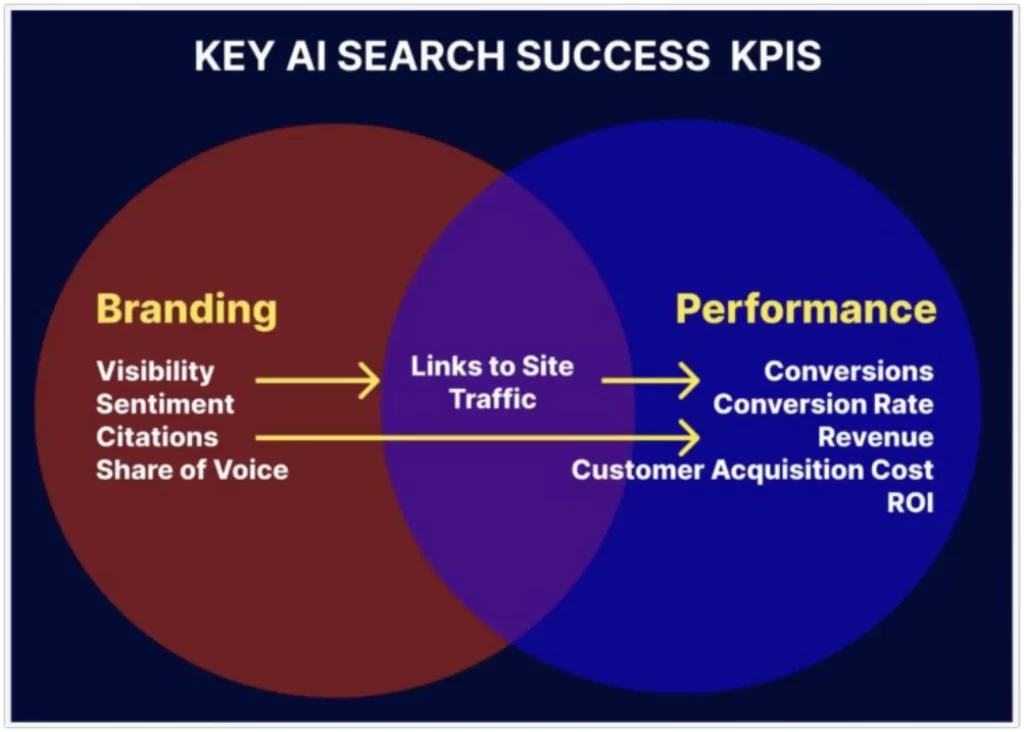
Key metrics to track:
- Search Share of Voice: Your traffic / total market traffic × 100
- Branded Search Growth: Track branded queries in GSC over time
- Direct Traffic Growth: More users typing your URL or searching your name = stronger recall
- Backlink & Referral Growth: Trusted sites talking about you
- Social Mentions & Sentiment: Positive discussion often precedes branded search growth
- LLM Mentions: Watch for citations in ChatGPT, Perplexity, Gemini, etc.
These metrics are a clear indicator of your market presence, the real goal of Brand-Led SEO.
How to Implement Brand-Led SEO
Audit Your Entity Signals
Check how your brand and content creators are represented across the web:
- Schema & Knowledge Graph presence
- Author bios, expertise proof, LinkedIn links
- Publisher signals: contact info, team pages, outbound links
- Consistency across profiles and directories
Run Smart PR Campaigns
Build shareable stories, pitch expert quotes, and land coverage that strengthens your entity and drives branded demand.
Create Brand-Reinforcing Content
Publish guides, thought leadership, and case studies that position you as the go-to authority in your niche, and make your brand synonymous with the problems you solve or the topics you own.
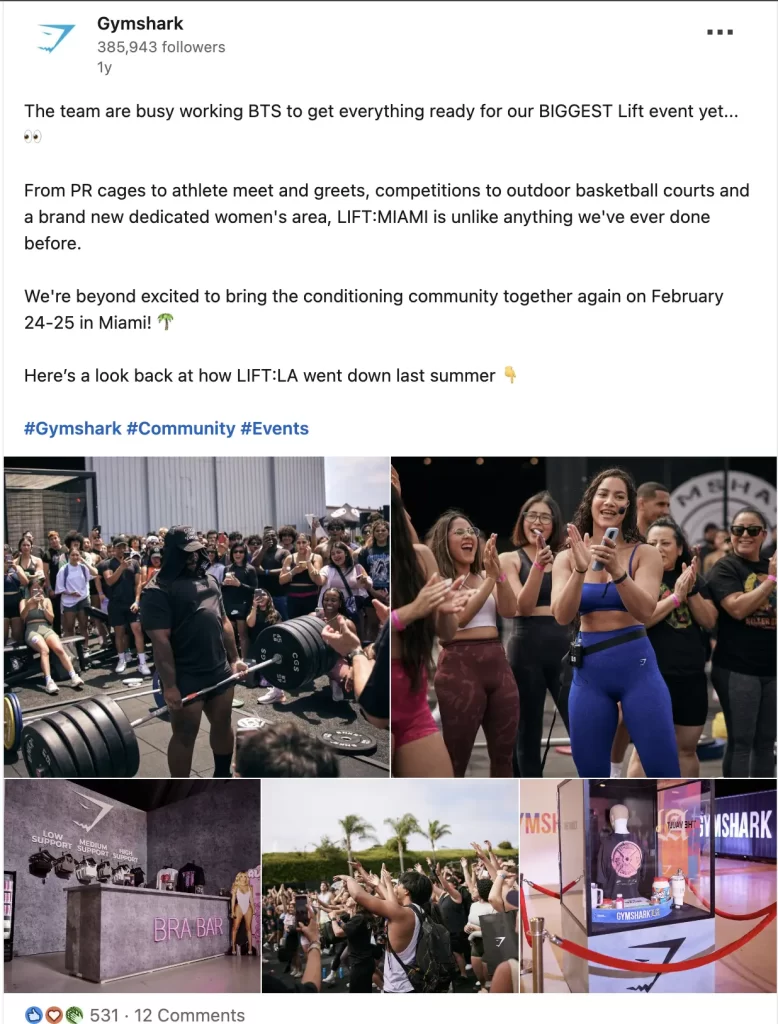
For example, Gymshark’s athlete partnerships, fitness content, and community events have made them the go-to brand for lifting culture — especially among Gen Z. People don’t just buy their products; they buy into the lifestyle.
Manage Your Reputation
Monitor reviews and social sentiment. A social listening tool (like Brand24, Sprout Social, or Mention) is a great starting point for spotting conversations about your brand early.
Engage with your audience, address issues quickly, and actively build trust.
Track What Matters
Set up dashboards to monitor branded search, SoV, mentions, and backlinks so you can prove impact and secure budget.
Closing Thoughts
SEO isn’t just a traffic channel anymore — it’s a brand-building channel. The strongest brands win, no matter where discovery happens: search engines, social feeds, podcasts, or AI answers.
Brand-Led SEO future-proofs your visibility. By strengthening your entity signals, earning meaningful mentions, and tracking the right metrics, you stop chasing algorithms, and start becoming the obvious choice.